FORMULATION TO PRODUCTION

Automotive bonding materialsWater-based adhesives, PUD, PUR and optical films

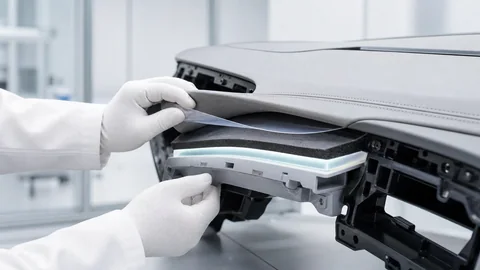
RELANET develops adhesive materials for interior trim, acoustic parts and illuminated surfaces.

R&D, production and application support

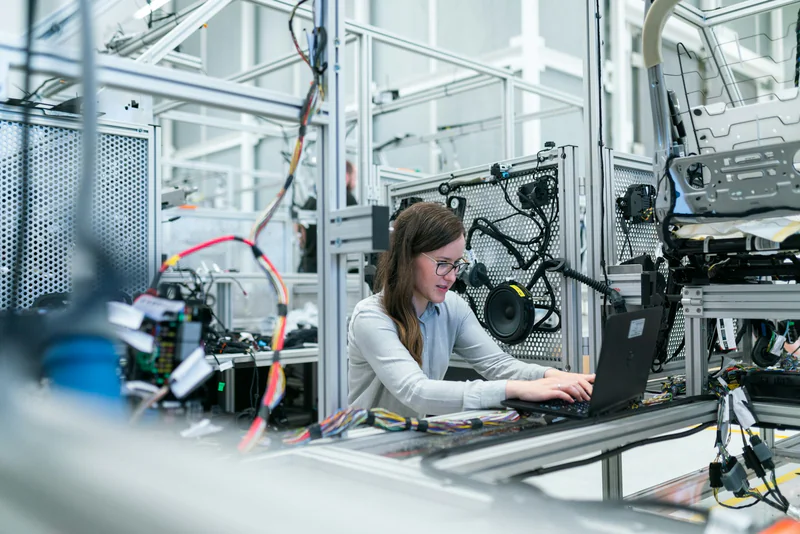
RELANET supports formulation development, laboratory testing, substrate matching, quality validation, production supply and on-site launch work.

Company profile
Brand
RELANET / 汭捷
Legal name
Relanet Automotive Material (Guangzhou) Co., Ltd.
Established
August 2021
R&D and innovation base
Room 507, Building A1, Zhongju Science Innovation City, No. 6 Jihuo Road, Huangpu District, Guangzhou
R&D and production capability
Formulation development, laboratory testing, substrate and process matching, quality validation, production supply and on-site launch support.
Main material platforms
Water-based polychloroprene, water-based PUD, two-component water-based polyurethane, modified polyolefin hot melts, PUR and high-transmission yellowing-resistant adhesive films.
Customers and applications
Vehicle manufacturers, Tier 1 interior suppliers, seating and acoustic-component producers, illuminated-trim programs and automated lamination lines.
Contact
020-31600614 · info@relanet.com.cn
Credential disclosure
The current register includes IATF 16949, environmental assessment documentation and specialist-enterprise recognition. Certificate numbers, named holders and validity periods are published only after source-document review.Source review pending
Brand and legal entities
RELANET is the unified website brand of Relanet Automotive Material (Guangzhou) Co., Ltd. Credentials associated with its subsidiary are grouped in the RELANET credential section, while the legal holder shown on each source certificate remains authoritative.Unified brand presentation

Core product matrix

Traceable product facts, conditions, source references and update dates for preliminary selection.

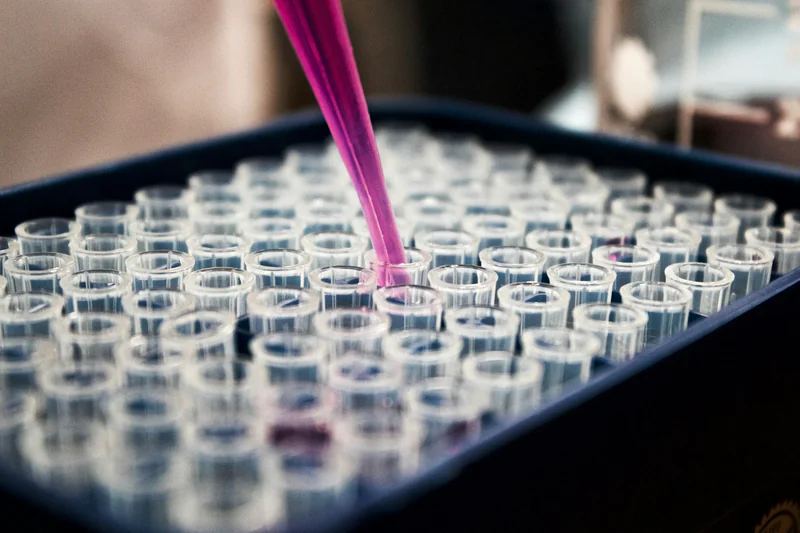
Water-based adhesive and automotive interior material samples in the laboratory
Water-based adhesive

R-5110

One-component water-based polychloroprene adhesive

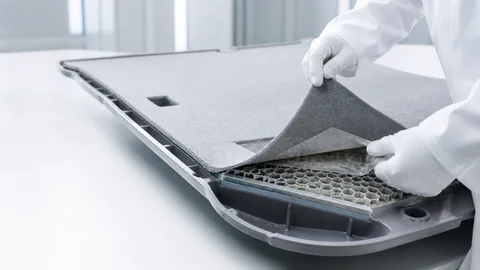
Rapid lamination of foam, acoustic cotton, fiber felt, nonwoven fabric and automotive sound-insulation parts.

Production programFAW Toyota Corolla

  • Typical solids approx. 50%
  • Recommended press time at 20°C: 1-10 s
  • Can be joined immediately after spraying
Source: TDS R-5110 ver. 25.6 / RELANET project record. Typical values under TDS conditions; the Corolla acoustic-component reference is an internal project record. View product details
Optical application

R-5610

High-transmission water-based PUD

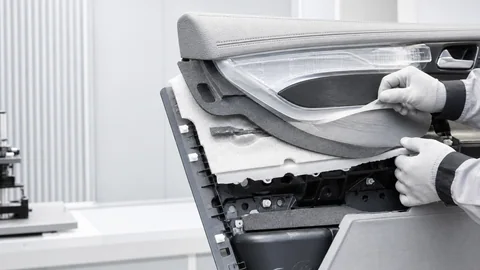
Manual wrapping, hot pressing or vacuum forming of door panels, instrument panels and parcel shelves.

Production programGAC Toyota V57

  • Typical solids approx. 50%
  • Activation temperature >60°C
  • Drying at 50-70°C for 8-15 min
Source: R-5610 TDS ver. 25.6 (document version 2024-03). Typical process window after spraying and full drying; optical performance depends on coat weight and real substrates. View product details
Hot-melt adhesive

R-7206

High-temperature modified polyolefin hot-melt adhesive

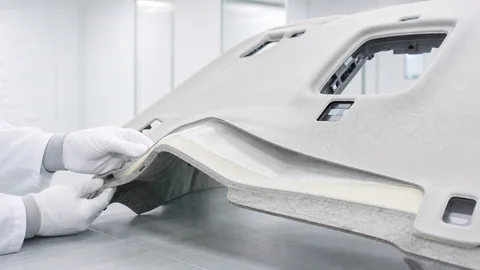
Instrument-panel and door-panel skins, sunroof reinforcement, brackets and wire-harness fixing.

Production programGAC Honda Ye P7

  • Approx. 99% solids
  • Open time at 180°C approx. 1-2 min
  • Project target: no debonding at 110°C
Source: Current TDS / test report RCTSC-25-10-18-001. The 110°C result is a project target under confirmed conditions, not a universal guarantee. View product details
Hot-melt adhesive

R-7110

Long-open-time modified polyolefin hot-melt adhesive

Door-panel skins, sunroof attachments, spare-wheel covers and door-panel inserts.

Production programDongfeng Nissan Sylphy

  • Open time at 180°C: 1-2 min
  • ABS and untreated PP evaluation
  • ≥99% solids; 90°C heat-resistance target
Source: TDS R-7110 APAO / RELANET project data. Open time is typical at 180°C; heat resistance must be validated for the actual part, load and customer standard. View product details
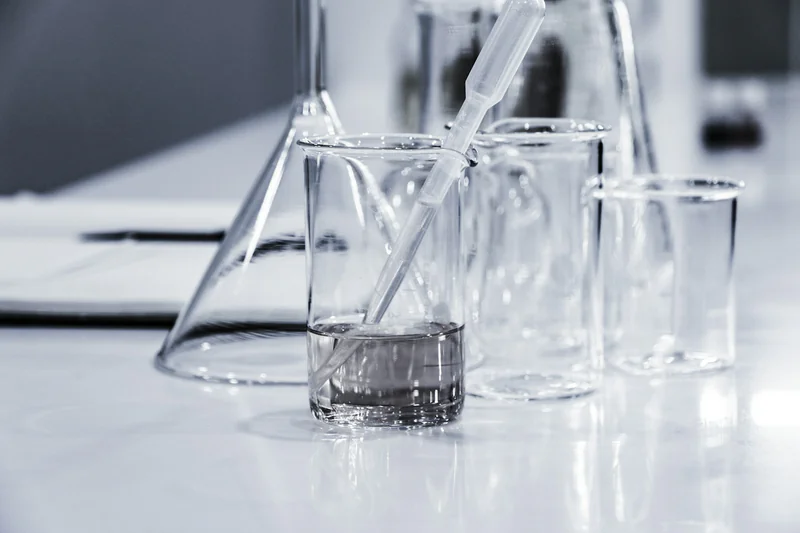
R-9610 laboratory beakers and formulation research
PUR reactive hot-melt adhesive

R-9610

Reactive polyurethane hot-melt adhesive (PUR)

A next-generation automotive-interior wrapping adhesive: physical initial tack plus moisture-cure chemical crosslinking for rapid positioning on automated lines.

Production programGAC Toyota Ye P7 and Dongfeng Honda Ye S7 (Production planning in progress)

  • Ultra-high elongation: Elongation at break ≥ 500%
  • Humidity-heat ageing: 1,000 h at 85°C / 85% RH
  • Dual cure: Physical initial tack + moisture-cure chemical crosslinking
  • Process-friendly: Open time 3-4 min
  • Automotive environmental compliance: VDA270 / VDA278 / GB/T 27630 + REACH / ELV
  • Broad substrate compatibility: PP / ABS + genuine leather / microfiber / suede
R-9610 product technical data / RELANET project record

Technical insights

Seven RELANET technical articles covering adhesive-film ROI, platform manufacturing, PUD, wrapping and illuminated interiors.

Direct answers for selection

Review the most common questions before requesting a sample, TDS, SDS or line trial.

Search 30 reviewed answers
Which automotive adhesives does RELANET manufacture?

RELANET focuses on automotive interior and exterior bonding. Public product platforms include one-component water-based polychloroprene, water-based PUD, two-component water-based polyurethane, modified polyolefin hot melts, PUR and high-transmission yellowing-resistant adhesive films for door panels, instrument panels, seats, luggage trim, acoustic parts and illuminated interiors.

What is the difference between water-based PUD and PUR?

Water-based PUD uses water as the primary dispersion medium and is generally sprayed, dried, activated and joined. It suits lower-VOC wrapping processes. PUR is a reactive hot-melt applied with heat; it develops handling strength on cooling and continues to cure, making it suitable for automated, heat-resistant or structural applications. Substrates, cycle time, open time, durability and equipment must be evaluated together.

How should I choose between water-based polychloroprene and water-based polyurethane?

For porous materials such as foam, acoustic cotton and fiber felt that need rapid wetting and initial tack, R-5110 is a suitable starting point. For skin-to-carrier interior lamination requiring higher durability or crosslinking, evaluate R-5670 or R-5610. Tests on the actual substrates remain decisive.

Which adhesive is suitable for foam and automotive acoustic components?

R-5110 is a one-component water-based polychloroprene adhesive developed for foam, acoustic cotton, insulation cotton, fiber felt and nonwovens. It can be joined immediately after spraying, with a recommended press time of 1-10 seconds at 20°C. An internal project record covers a Corolla acoustic component; production approval still requires validation for foam density, porosity and coat weight.

Which product is suitable for illuminated automotive interiors?

Evaluate R-5610 when a spray-applied, water-based wrapping adhesive is required. Evaluate RY-10 when a prefabricated film, controlled bond-line thickness and long-term color stability are priorities. Validate transmission, haze, color difference and durability using the real skin, light source, adhesive thickness, carrier and part geometry.

Do PP and IXPP require pretreatment?

It depends on the adhesive and surface. R-5610 data calls for flame treatment of PP and a backing coat on IXPP. R-7110 and R-7206 may be evaluated on untreated PP, but resin grade, release agents, recycled content and contamination can change the result. Actual-substrate testing must not be skipped.

What is the difference between R-7110 and R-7206?

Both are modified polyolefin hot melts. R-7110 emphasizes a longer joining window, compatibility evaluation with ABS and untreated PP, and a 90°C heat-resistance target. R-7206 addresses higher-temperature and fixing applications, with a 110°C project target. Select according to actual part load and durability specifications.

How should whitening or increased haze in an optical bond be investigated?

Check bond-line thickness and uniformity, water removal, drying time and temperature, ambient humidity, substrate moisture, spray atomization and material compatibility. Do not mask the issue by increasing temperature alone. Use target coat weight and real substrates, and measure transmission, haze, color difference and peel strength together.

How can I request samples, TDS and SDS documents?

Provide the product model, substrate combination, part location, application equipment, target cycle time and durability standard. Contact the application team at 020-31600614 or info@relanet.com.cn. Documents and samples are supplied according to project requirements and disclosure scope.

Can website data be used as a production guarantee?

No. Website values support preliminary selection and represent typical TDS, project-sample or defined test conditions. Before production, confirm the latest TDS and SDS, validate peel, heat resistance, humidity aging, thermal cycling, odor and VOC performance on real parts, and obtain customer approval.